Silence, Pausing, and the Organization of Turn-Taking in Libyan University Classrooms: A Descriptive Study of Oral Academic Interaction
DOI:
https://doi.org/10.65405/w2dkhp36Keywords:
spoken academic interaction; silence; pausing; turn allocation; Libyan higher education .Abstract
This descriptive study examines patterns of silence, pausing and turn allocation in spoken academic interaction within Libyan university classrooms. While spoken interaction has received growing attention in applied linguistics, empirical descriptions of interactional practices in North African higher education remain limited. Drawing on naturally occurring classroom discourse, the study focuses on how silence and pauses function within lecturer–student exchanges and how speaking turns are initiated, sustained and negotiated during academic interaction. Rather than treating silence as a communicative breakdown, the analysis approaches it as a meaningful interactional resource shaped by institutional roles, pedagogical norms and sociocultural expectations. The findings provide a context-sensitive account of spoken academic interaction in Libyan universities and contribute descriptive evidence to broader discussions on classroom discourse, participation and interactional organization in EFL higher education settings .
Downloads
References
1. Anggraini, A. (2022). Silent voices: Investigating the causes of non-participation in EFL classrooms. International Undergraduate Conference on English Education. https://seminar.uad.ac.id/index.php/IUCEE2022/article/view/14633
2. Al-Garawi, B. (2005). A review of two approaches to L2 classroom interaction. Newcastle University Research Archive. https://research.ncl.ac.uk/media/sites/researchwebsites/arecls/buthayna.htm
3. Different voices of silence: A Q methodology study of teachers’ perceptions on silence in the classroom. (2025). Teaching and Teacher Education, 165, 105136. https://doi.org/10.1016/j.tate.2025.105136
4. Turn construction unit. (2026). In Wikipedia. https://en.wikipedia.org/wiki/Turn_construction_unit
5. Turn taking and wait time in classroom interactions. (2014). Journal of Pragmatics, 62, 1–12. https://doi.org/10.1016/j.pragma.2013.12.002
6. A dynamic systems approach to wait time in the second language classroom. (2017). System, 68, 1–14. https://doi.org/10.1016/j.system.2017.05.005
7. CONVERSATION ANALYSIS: TURN-TAKING MECHANISM and power .lation in
8. classroom setting. (2020). Celtic: A Journal of Culture, English Language Teaching, Literature and Linguistics, 7(2), 118–136. https://doi.org/10.22219/celtic.v7i2.12598
9. Patterns of Lecturer and Student Speech Acts in EFL Classroom Interaction: Qualitative Study Insights. (2025). New Language Dimensions, 6(2), 143–152. https://doi.org/10.26740/nld.v6n2.p143-152
10. BALAGH – Journal of Islamic and Humanities Studies, 4(2), 100–129. https://dergipark.org.tr/tr/pub/balagh/issue/88511/1544724
11. Ingram, J., & Elliott, V. (2019). Research Methods for Classroom Discourse. Bloomsbury
12. Academic. https://www.bloomsbury.com/uk/research-methods-for-classroom-discourse9781350072688
13. Silent Learners’ Voices: Exploring the Silence Behavior in Indonesian EFL Classroom. (2022).
14. Journal of English Language Teaching and Linguistics, 7(2), 349–365.
Downloads
Published
Issue
Section
License
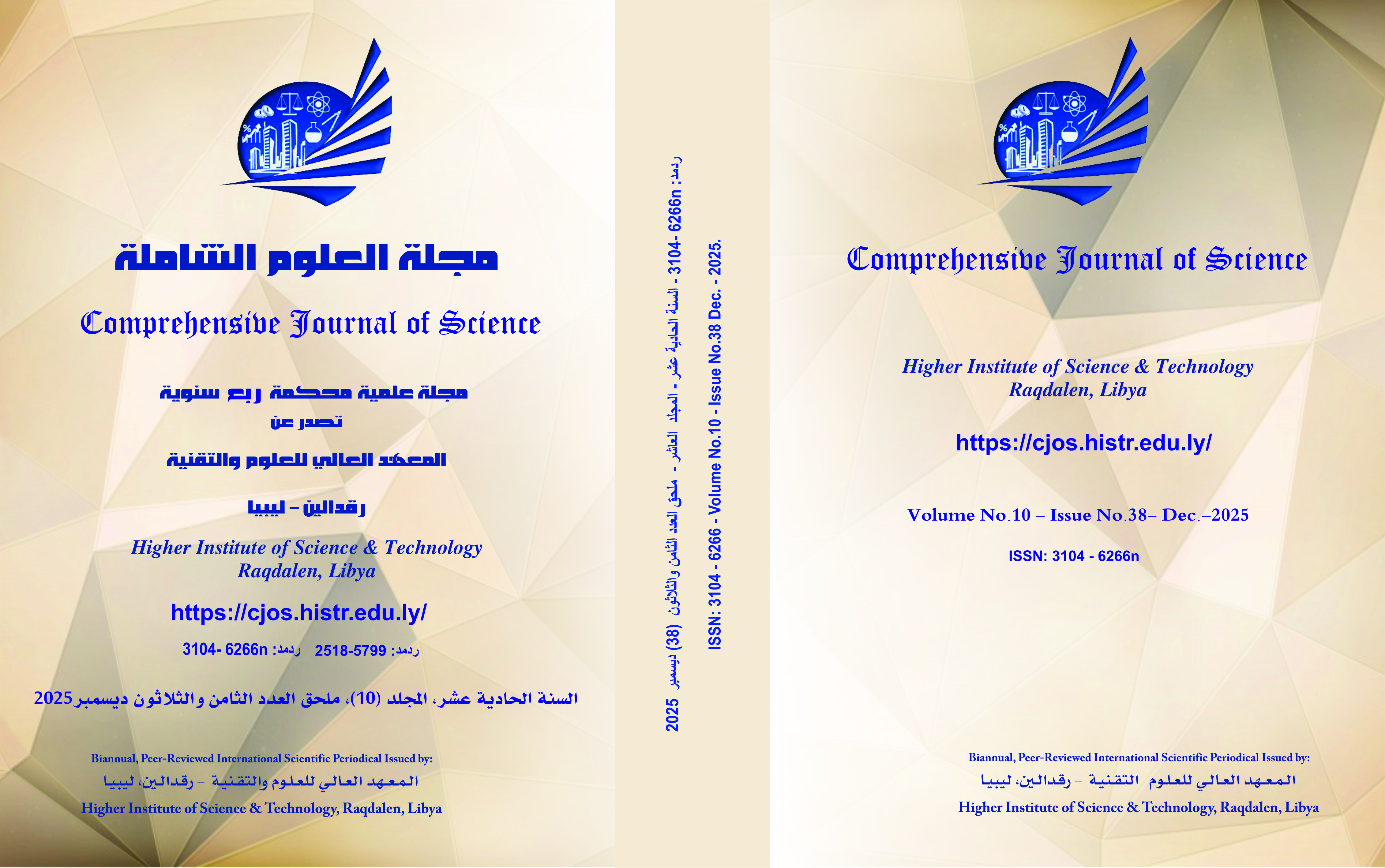
Copyright (c) 2026 Comprehensive Journal of Science

This work is licensed under a Creative Commons Attribution-NonCommercial-NoDerivatives 4.0 International License.